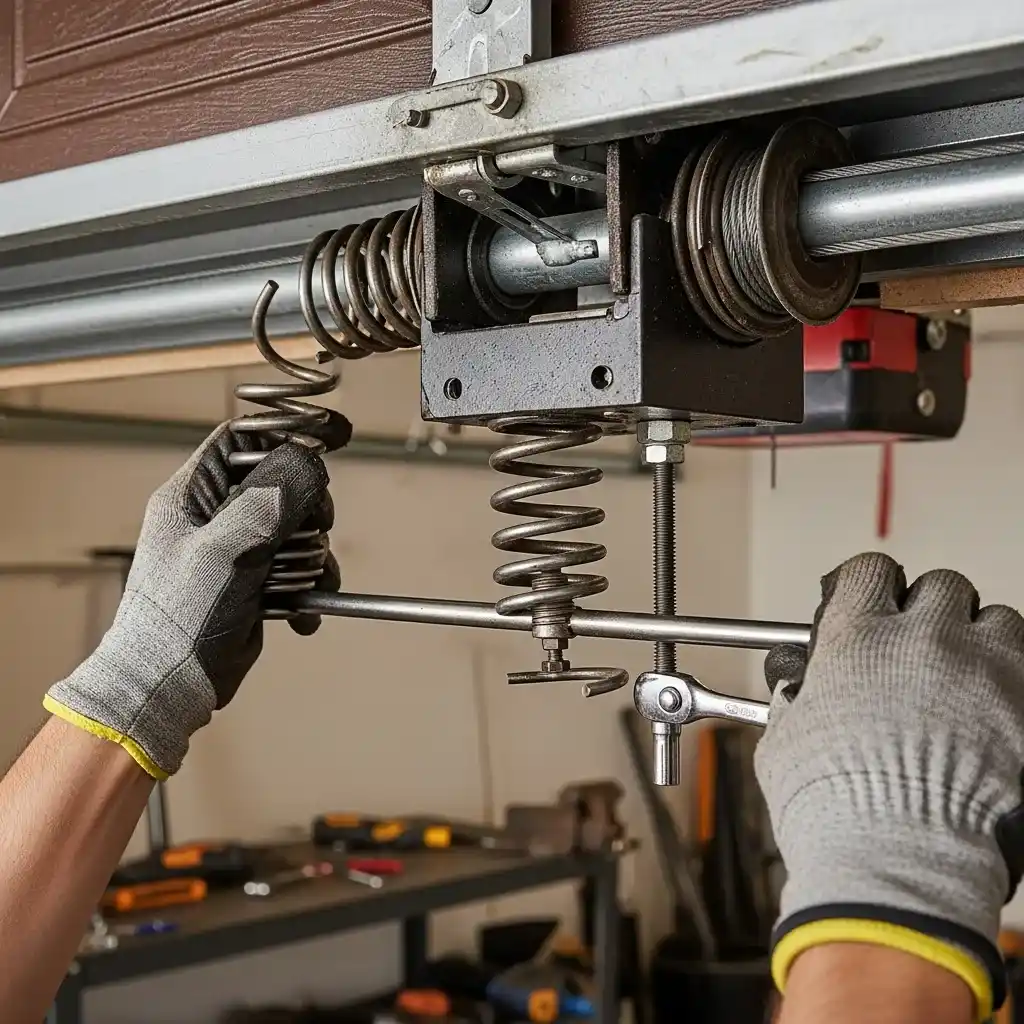
Knowing how to repair a broken garage door spring can help homeowners understand what is involved when their garage door suddenly stops working. A broken spring affects safety, convenience, and daily routines, especially when vehicles are trapped inside. Garage door spring repair, broken garage door spring symptoms, torsion spring replacement, extension spring repair, garage door safety, DIY garage door repair, garage door maintenance tips, garage door opener strain, garage door spring cost, professional garage door service, garage door balance test, and garage door hardware inspection are all closely related topics homeowners should understand before taking action. Learning the correct process improves awareness and helps avoid costly mistakes or serious injuries during repairs.
For homeowners researching this issue, Apex Garage Doors LLC often educates clients about realistic expectations, safety risks, and repair options before any work begins. Understanding the steps involved builds confidence and helps you decide whether to proceed carefully or call a professional for assistance when needed.
Understanding Garage Door Springs and Why They Break
Garage door springs do most of the heavy lifting when your door opens and closes. There are two main types: torsion springs mounted above the door and extension springs installed along the tracks. Both store mechanical energy and release it to lift the door smoothly. When a spring breaks, the door becomes extremely heavy and unsafe to operate manually.
Common causes include normal wear, rust buildup, poor lubrication, and temperature fluctuations. Springs are rated for a specific number of cycles, meaning one open and close counts as one cycle. Over time, those cycles add up. If you notice loud snapping noises, uneven door movement, or gaps in the spring, these are classic warning signs. Understanding these basics is essential before attempting how to repair a broken garage door spring safely and responsibly.
Safety Precautions Before Starting Any Repair
Before attempting any repair, safety must come first. Garage door springs are under extreme tension, and improper handling can cause serious injuries. Always disconnect the garage door opener and ensure the door is fully closed. Wear protective gloves and eye protection to reduce risk.
Never use makeshift tools or substitute incorrect hardware. Proper winding bars, clamps, and sockets are necessary for safe handling. If you feel unsure at any stage, stop immediately. Many accidents occur when homeowners underestimate the force stored in springs. Knowing when to step back is just as important as knowing how to repair a broken garage door spring correctly. Careful preparation protects both you and your property.
Step-by-Step Process to Repair a Broken Garage Door Spring
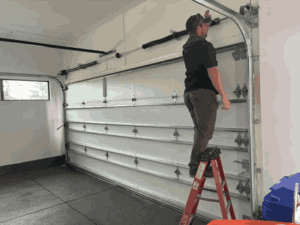
Repairing a broken spring requires patience, precision, and the right tools. Start by identifying whether you have a torsion or extension spring system. Secure the door using clamps to prevent movement. For torsion springs, carefully unwind the damaged spring using winding bars, then remove it from the shaft.
Next, install the new spring with the correct orientation and size. Tighten the set screws securely and rewind the spring according to the manufacturer’s specifications. Extension springs require replacing both sides to maintain balance. After installation, remove the clamps and test the door manually. This step-by-step approach helps homeowners understand how to repair a broken garage door spring while emphasizing caution at every stage.
Testing and Balancing the Garage Door After Repair
Once the new spring is installed, testing is critical. Slowly lift the door by hand and observe how it moves. A properly balanced door should stay in place when lifted halfway. If it slams shut or shoots upward, additional adjustments are required.
Reconnect the opener only after confirming smooth manual operation. Listen for unusual noises and watch for jerky movement. Proper testing ensures the repair was successful and prevents unnecessary strain on the opener. Many long-term issues arise from skipping this step, making balance testing an essential part of how to repair a broken garage door spring successfully.
Preventive Maintenance to Extend Spring Lifespan
Regular maintenance can significantly extend the life of garage door springs. Lubricate springs with a high quality garage door lubricant every few months to reduce friction and rust. Inspect hardware such as cables, rollers, and brackets for wear or damage.
Simple habits make a big difference, including:
- Avoiding excessive door cycles when unnecessary
- Keeping tracks clean and aligned
- Scheduling annual professional inspections
These practices reduce stress on springs and improve overall door performance. Preventive care helps homeowners avoid frequent breakdowns and delays the need to repeat how to repair a broken garage door spring in the future.
Frequently Asked Questions
How do I know my garage door spring is broken?
Common signs include a loud bang, a heavy door, visible spring gaps, or the opener struggling.
Can I open my garage door with a broken spring?
It is possible but dangerous. The door is extremely heavy and can cause injury.
How long do garage door springs usually last?
Most springs last seven to ten years, depending on usage and maintenance.
Is it better to replace one spring or both?
For extension systems, replacing both ensures balanced performance and safety.
Should I attempt garage door spring repair myself?
Only if you fully understand the risks and proper procedures involved.
Conclusion
Learning how to repair a broken garage door spring gives homeowners valuable insight into one of the most critical garage door components. While understanding the steps is helpful, safety should always guide your decision. Some repairs are best left to trained professionals with the right tools and experience. If your garage door shows signs of spring failure, take action promptly to prevent further damage and avoid costly complications. For expert guidance, reliable repairs, and peace of mind. Contact us today to ensure your garage door is restored safely and professionally. A properly repaired spring restores smooth operation, improves safety, and protects your investment for years to come.