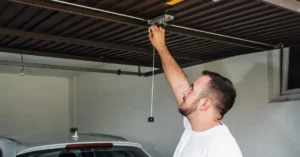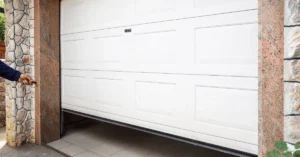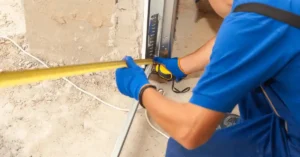
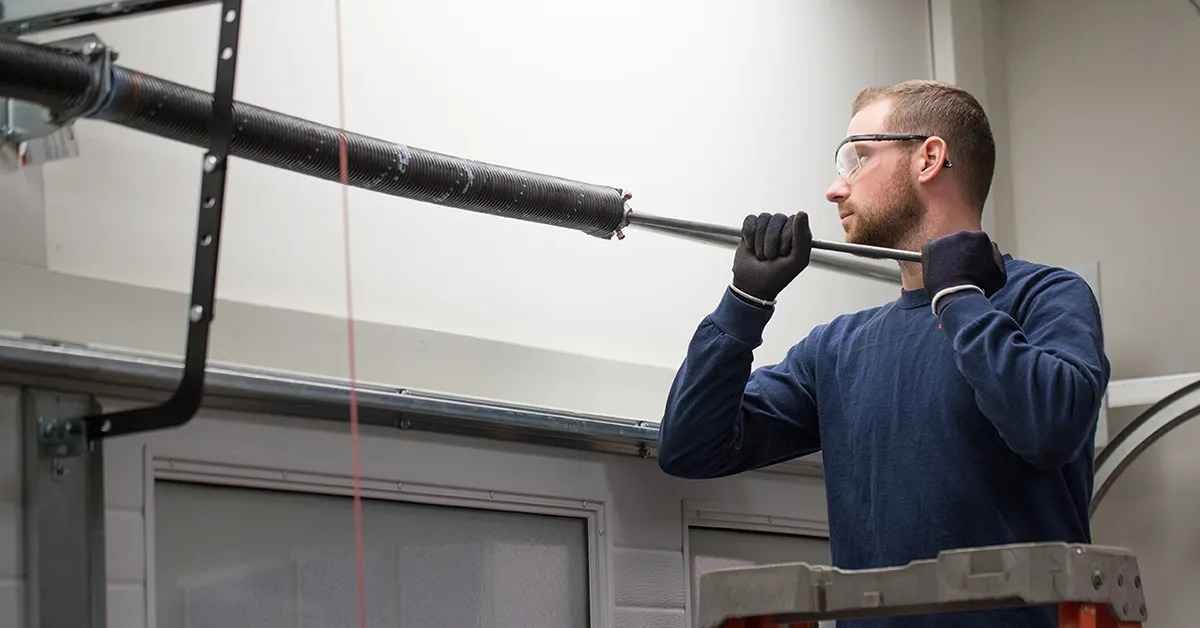
A garage door that suddenly refuses to open can disrupt your entire day. One common cause is a damaged spring, which helps support the door’s weight during operation. Understanding the basics of fixing spring garage door problems can help you recognize the warning signs and make safer decisions. For reliable assistance, Garage Door Spring Replacement Services can help homeowners address spring related concerns and restore smooth operation. However, garage door springs operate under significant tension, making hands on work potentially dangerous. Knowing what you can safely inspect and when professional attention is necessary can protect your household, prevent further damage, and save you unnecessary frustration.
Understanding How Garage Door Springs Work
Garage door springs do much more than most homeowners realize. They counterbalance the heavy door, allowing the opener to lift it without carrying the entire load. When a spring becomes worn or breaks, the door may feel unusually heavy, move unevenly, or stop working altogether.
Torsion Springs and Extension Springs
Most residential garage doors use one of two spring systems.
Torsion springs sit above the door opening on a metal shaft. They store energy as the door moves and release it to assist lifting. Extension springs usually run alongside the horizontal tracks and stretch or contract as the door operates.
Both systems require careful handling because stored energy can cause serious injuries when components are disturbed incorrectly. Identifying which system your garage uses is useful when describing the problem to a technician.
Why Springs Eventually Wear Out
Repeated opening and closing gradually wear down spring components. Rust, temperature changes, poor maintenance, and ordinary material fatigue can also contribute to failure. A spring may break suddenly even when the door appeared to work normally the previous evening.
Common Signs of a Broken Garage Door Spring
Recognizing spring failure early helps prevent additional strain on the opener and other hardware. If your door suddenly behaves differently, pay attention to the symptoms rather than repeatedly pressing the remote.
The Door Will Not Open Properly
A garage door that rises only a few inches or refuses to move may have a broken spring. You might also hear a loud bang from the garage, similar to a heavy object striking the floor. Sometimes, the sound occurs when the spring snaps while the door is closed.
Visible Gaps or Uneven Movement
A torsion spring with a visible gap between its coils may be broken. Another warning sign is a door that appears crooked, hangs unevenly, or struggles to travel along its tracks.
Look for these additional symptoms from a safe distance:
- The opener runs, but the door barely moves.
- The door closes too quickly or feels unusually heavy.
- Cables appear loose or displaced.
- The door stops before reaching its normal position.
Do not touch loose cables, spring components, or other damaged hardware. These symptoms can indicate a dangerous mechanical problem that requires professional assessment.
What You Can Safely Check Before Calling a Technician
When fixing spring garage door issues becomes a concern, a few noninvasive checks can help you understand the situation without exposing yourself to unnecessary danger. The goal is to observe the problem, not dismantle the mechanism.
Inspect the Area Without Touching Components
Stand clear of the door and look for visible spring gaps, bent tracks, loose hardware, or cables hanging out of position. Keep children and pets away from the garage until the problem has been assessed.
If the door is partly open or appears unstable, avoid standing underneath it. Do not attempt to catch, lift, or force it into position.
Check the Opener and Power Supply
If there are no signs of mechanical instability, check whether the opener has power and whether its remote batteries work. A tripped circuit breaker or an unresponsive remote can sometimes cause similar symptoms.
However, an electrical check will not resolve a broken spring. If the opener hums while the door remains stationary, stop operating it. Repeated attempts may overwork the motor and increase the cost of subsequent work.
Never loosen spring fittings, adjust winding hardware, or disconnect cables to test whether the door will move.
When to Call a Professional for Spring Replacement
Some garage door concerns are suitable for simple observation, but spring replacement is a different matter. These components carry substantial mechanical energy, and an incorrect adjustment can result in severe injury.
Why DIY Spring Replacement Is Risky
Homeowners sometimes consider replacing a spring to save money. Unfortunately, torsion springs require specialized tools and precise adjustments. Extension spring systems can also present serious hazards if their components are released unexpectedly.
Professional technicians can identify the correct spring specifications, assess related hardware, and check that the door remains properly balanced. This is particularly important when both springs are aging or when damaged cables and rollers are contributing to the problem.
What to Expect During a Professional Visit
A technician typically examines the spring system, tracks, cables, rollers, hinges, and opener before recommending the appropriate work. The technician can explain whether a spring needs replacement, whether related components show excessive wear, and how the completed work will be tested.
Ask about the estimated cost, replacement parts, service warranty, and expected completion time. Clear communication helps you understand the work before authorizing it and reduces the chance of unexpected expenses.
Preventing Future Garage Door Spring Problems
Although springs eventually wear out, consistent maintenance can help identify developing problems before they interrupt your routine. Regular observation is particularly useful if your garage door opens and closes several times each day.
Follow a Simple Maintenance Routine
Keep the door tracks free from obvious obstructions and listen for unusual grinding, squeaking, or popping sounds. Look for rust, frayed cables, and uneven movement without touching the spring assembly.
Schedule a professional inspection when the door begins moving differently or when visible components appear worn. Avoid applying products to spring mechanisms unless the manufacturer specifically recommends them.
Avoid Overworking the Garage Door Opener
If the door struggles to open, do not keep pressing the remote in the hope that it will eventually cooperate. A failing spring forces the opener to work harder than intended.
Addressing unusual movement promptly can help prevent added stress on the motor and other parts. A short inspection today may prevent a more disruptive breakdown later.
Frequently Asked Questions
Can I open my garage door with a broken spring?
It is safest to leave the door alone. Without proper spring support, the door may be extremely heavy and could move unexpectedly. Contact a qualified technician.
How do I know whether my garage door spring is broken?
Common signs include a visible gap in a torsion spring, a loud bang, uneven movement, or an opener that runs without lifting the door.
How long does garage door spring replacement take?
The time depends on the door design, the spring system, and any additional damage. A technician can provide a more accurate estimate after inspecting the equipment.
Should I replace both garage door springs?
When a door has two springs of similar age, a technician may recommend replacing both if one fails. The decision depends on their condition, specifications, and expected remaining service life.
How can I prevent garage door spring failure?
Routine inspections, prompt attention to unusual sounds, and professional maintenance can help identify wear early. However, no maintenance routine can prevent every spring failure.
Conclusion
Understanding fixing spring garage door problems starts with recognizing warning signs, knowing the limits of safe inspection, and seeking qualified help when a spring fails. Never attempt to wind, loosen, or remove a tensioned spring yourself. Professional attention can help restore dependable operation while reducing the risk of injury and further damage. If your garage door feels unusually heavy, moves unevenly, or refuses to open, stop using the opener and arrange an inspection. For knowledgeable assistance and a clear explanation of your options, Call Now for Garage Door Repair and take the next step toward a safer, smoother operating garage door.