A sudden power outage can leave you stuck inside your garage when you need to leave for work, pick up groceries, or get somewhere important. Knowing how to open a garage door manually can help you regain access without putting yourself or your family at risk. With the right precautions, you can operate many automatic garage doors without electricity. For homeowners who need professional assistance, Residential Garage Door Services can also help address access concerns and mechanical problems safely.
Why Does Your Garage Door Stop Working During a Power Outage?
Most automatic garage doors rely on an electric opener to lift and lower the door. When the electricity goes out, the opener usually stops responding to wall controls and remote transmitters. However, the door itself may still operate manually if its springs, cables, tracks, and other components are functioning correctly.
Understanding how to open a garage door manually starts with recognizing the difference between the opener and the door mechanism. The opener provides powered movement, while the spring system helps counterbalance the door’s weight.
Check the Door Before Taking Action
Before attempting manual operation, look at the door from a safe position. Check whether it appears crooked, partially open, or visibly damaged. Listen for unusual noises, and never touch loose cables or damaged springs.
If the door is stuck, unusually heavy, or uneven, do not force it. Garage doors can weigh considerably more than they appear, and their spring systems store substantial energy.
Understand Your Garage Door System
Some homes have sectional doors that travel along overhead tracks, while others use different configurations. The manual release procedure may vary by model. Checking your manufacturer’s instructions beforehand can help you understand the correct process when the power suddenly disappears.
How to Open Garage Door Manually Step by Step
Learning how to open a garage door manually is easier when you understand the emergency release mechanism and follow the manufacturer’s instructions. Most modern automatic openers include a manual release that disconnects the door from the powered trolley.
Step 1: Make Sure the Door Is Fully Closed
If possible, close the garage door completely before disconnecting the opener. A closed door is generally easier to manage than one suspended partway up. If the door is already open or appears unstable, keep clear and seek professional help rather than attempting to reposition it.
Step 2: Locate the Emergency Release Cord
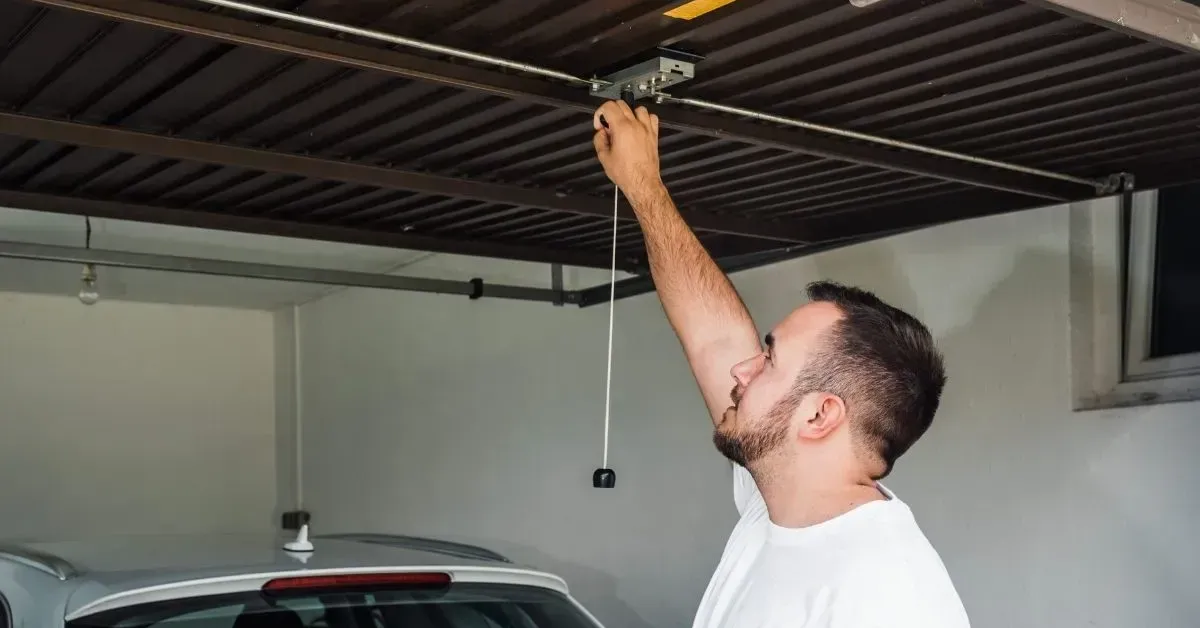
Look for the red emergency release cord hanging from the opener trolley or rail. It is usually visible from inside the garage. Consult the opener’s instructions to identify the correct release mechanism for your model.
Never pull a release cord if the door is partially open and you suspect a broken spring or another mechanical problem. Disconnecting the opener in these circumstances can allow the door to move unexpectedly.
Step 3: Disconnect the Opener Safely
Once the door is fully closed and you have confirmed that it appears sound, follow the manufacturer’s directions to operate the emergency release. Keep children and pets away from the doorway throughout the process.
Step 4: Lift the Door Carefully
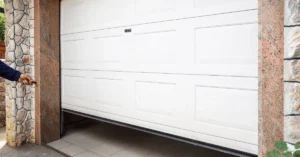
Grip the door using its designated handles and lift smoothly with both hands. A properly balanced door should move without excessive effort. Stop immediately if it feels unusually heavy, catches in the tracks, or starts moving unevenly.
Essential Safety Tips for Manual Garage Door Opening
Safety should always come before convenience. Although manual operation may seem straightforward, a garage door has heavy panels, moving hardware, and a spring system that can cause serious injuries when something goes wrong.
Never Force a Heavy Door
If you are wondering how to open garage door manually when it refuses to move, remember that force is not the answer. A properly functioning door should lift relatively smoothly. Unusual resistance may indicate a problem with the springs, tracks, rollers, or cables.
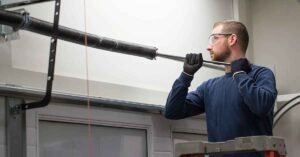
Do not attempt to adjust torsion springs or loosen cable hardware yourself. These components can release stored energy unexpectedly and should be handled by trained professionals.
Keep the Doorway Clear
Move vehicles, bicycles, storage boxes, and other obstacles away from the door’s path. Make sure everyone nearby understands that the door is being operated manually.
Keep your fingers away from panel joints, hinges, and track openings. Wear sturdy footwear and maintain a balanced stance while lifting.
Avoid Leaving the Door Unsecured
Once open, a manually operated garage door may not have the same protection provided by the automatic opener. Keep the doorway supervised, and avoid leaving the door open unnecessarily. If the door will not remain stable, move away and contact a qualified technician.
What to Do When the Manual Release Does Not Work
Sometimes the emergency release cord is difficult to reach, the trolley remains engaged, or the door will not lift after the opener is disconnected. These situations require patience rather than extra force.
Check Your Opener’s Instructions
If you own a Chamberlain system, consult the appropriate Chamberlain garage door opener manual for model specific directions. Different opener designs can use different release mechanisms, so avoid assuming that every model operates identically.
If the cord does not respond as expected, do not repeatedly yank it. Stop and confirm the correct procedure in the manufacturer’s documentation.
Recognize Signs of a Mechanical Problem
A door that feels extremely heavy, hangs at an angle, or produces unusual sounds may have a damaged component. Do not try to lift it with extra people or improvised tools.
Professional assistance is the safer choice when the door cannot move freely. A trained technician can assess the opener, spring system, cables, and tracks before restoring normal operation.
How to Prepare for Future Power Outages
A little preparation can make the next outage far less stressful. Knowing how to open a garage door manually before an emergency gives you time to learn the correct release procedure without rushing.
Keep Instructions Accessible
Store the manufacturer’s operating instructions somewhere easy to find, such as a household document folder. Make sure responsible adults know where the emergency release is located and understand when it should not be used.
Consider a Backup Power Option
Some garage door openers support compatible battery backup systems. These can allow normal powered operation during certain outages, depending on the model and battery condition. Check the manufacturer’s specifications before choosing an option.
Perform Regular Visual Checks
Look for frayed cables, loose hardware, damaged rollers, or changes in door movement. Do not dismantle the mechanism or adjust spring tension. Arrange a professional inspection if anything appears unusual.
Frequently Asked Questions
Can I open my garage door without electricity?
Yes, many automatic garage doors can be operated manually using an emergency release mechanism, provided the door is in safe working condition.
Where is the manual release cord located?
It is commonly attached to the opener trolley near the overhead rail and often has a red handle. The exact location depends on your opener model.
Is it safe to open a garage door with a broken spring?
No. A broken spring can make the door dangerously heavy and unstable. Keep clear and contact a qualified professional.
Can I use my Chamberlain garage door opener manual for instructions?
Yes. The correct Chamberlain garage door opener manual can explain the release procedure and safety precautions for your specific model.
How can I prepare for another power outage?
Learn the emergency release procedure in advance, keep manufacturer instructions accessible, and consider a compatible battery backup system if your opener supports one.
Conclusion
Knowing how to open a garage door manually can help you handle a power outage with greater confidence, but safe operation depends on the door’s condition and the correct release procedure. Keep the doorway clear, never force a heavy or uneven door, and avoid handling springs or cables yourself. If the door remains stuck or appears damaged, professional assistance is the safest next step.
For dependable guidance and help with your garage door needs, Get Started with Apex Garage Doors LLC and take the next step toward safer, more convenient garage access.