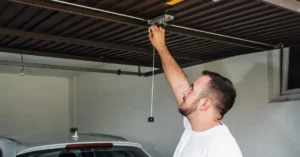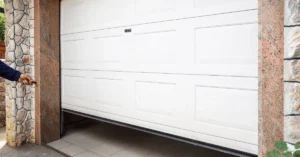
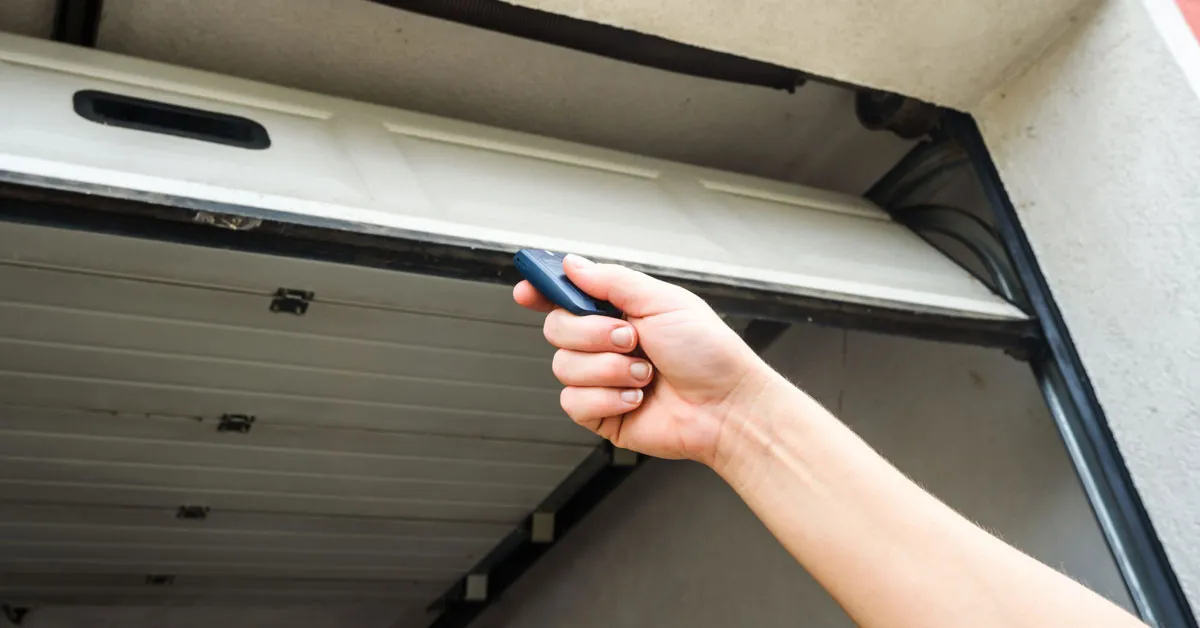
A garage door that starts descending and suddenly rises again can be frustrating. When a Garage Door Reverses Before Closing, the opener is often responding to a safety signal, an obstruction, or a problem with how the door travels. From photo eye sensors to travel limits, several parts work together during every cycle. Understanding the common causes can simply help you know what to check and when to call a qualified technician.
Why a Garage Door Reverses Before Closing
A Garage Door Reverses Before Closing because the opener detects something that tells it to stop downward movement. Modern garage door openers are designed to reverse when the system senses an obstruction or receives an unexpected safety signal.
Common causes
The photo eye sensors near the bottom of the tracks are a common starting point. If they are dirty, misaligned, or blocked, the opener may think something is in the doorway. Even a small object or bit of debris can interfere with the sensor beam.
Another possibility is resistance along the door path. Bent tracks, worn rollers, loose hardware, or a door that feels unusually heavy can change how smoothly it moves. Incorrect opener settings may also cause the door to reverse before reaching the floor.
If your garage door opener reverses before closing, notice exactly when it happens. The timing and location can provide a useful clue.
Check the Safety Sensors First
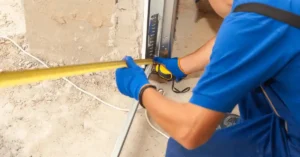
When a Garage Door Reverses Before Closing, start with the photo eyes. These small sensors are normally installed opposite each other near the bottom of the vertical tracks. They communicate across the opening and help the opener determine whether the path is clear.
Simple sensor checks
Look at both sensor lenses and gently remove dust with a soft, dry cloth. Make sure nothing is sitting between them. Then check whether each sensor appears level and aimed toward the other. If one has been bumped, its beam may no longer line up correctly.
Also inspect the indicator lights. A steady light generally suggests that the sensor has power and is aligned, although light behavior varies by opener model. If the lights remain inconsistent after cleaning and basic alignment checks, consult the owner’s manual or a qualified garage door technician.
Do not bypass the safety sensors. They are an important part of the garage door safety system.
Look for Problems Along the Door Path
If a Garage Door Reverses Before Closing and the sensors look normal, pay attention to the physical movement of the door. Watch it from a safe position while using the wall control. Notice whether it moves smoothly or hesitates at a particular point.
Signs of resistance
A door that sticks, shakes, or becomes unusually noisy may have an issue with rollers, tracks, hinges, springs, or other hardware. A roller that does not move freely can create enough resistance for the opener to interpret the movement as an obstruction.
Check the tracks for obvious dirt or objects, but do not bend them or force components into position. Never loosen spring hardware or adjust high tension components yourself. Garage door springs store substantial energy and should be handled by trained professionals.
If the door reverses at nearly the same spot every time, remember that location. Consistent behavior can help identify what is affecting the travel path.
Check Opener Settings and Prevent Future Reversals
Sometimes a Garage Door Reverses Before Closing because the opener settings no longer match the door’s movement. Travel limits tell the opener how far the door should move, while force settings affect how the motor responds to resistance.
When settings may matter
If the door reaches the floor and immediately rises, the close travel setting may be incorrect. If it reverses before touching the floor, the opener may be detecting resistance or receiving an incorrect safety signal. Each manufacturer uses different procedures, so use the owner’s manual for model specific instructions.
It is also worth checking the wall button and remote controls. A stuck wall button or damaged remote can create confusing behavior. Make sure nothing is pressing the wall button and check whether the remote has a stuck button.
Preventive care matters too. Keep the doorway clear, clean the photo eye lenses, and watch for unusual grinding, scraping, popping, or motor sounds. If the door feels unusually heavy or shows visible spring damage, stop using it and contact a qualified technician.
Frequently Asked Questions
Why does my garage door reverse before it reaches the floor?
A Garage Door Reverses Before Closing when sensors are blocked, the door meets resistance, or travel settings need attention.
Why does my garage door close halfway and then open?
The opener may sense resistance at one point. Check the sensor path and observe the door.
Can dirty sensors make a garage door reverse?
Yes. Dust on the photo eye lenses can interfere with the safety signal and cause reversal.
Should I adjust the opener force setting myself?
Follow the manufacturer’s instructions. If unsure, seek professional assistance.
How can I stop my garage door from reversing unexpectedly?
Keep sensors aligned, maintain a clear doorway, and address unusual movement promptly.
Conclusion
A Garage Door Reverses Before Closing for a reason, and the cause is often connected to safety sensors, resistance, travel settings, or another part of the door system. Start with visual checks, keep the sensor area clear, and watch for changes in movement or sound. Avoid working with springs or high tension hardware unless you have proper training. If the cause remains unclear, Apex Garage Doors LLC can assess the system and determine the appropriate next step. Acting early can make garage access safer, smoother, and less frustrating.