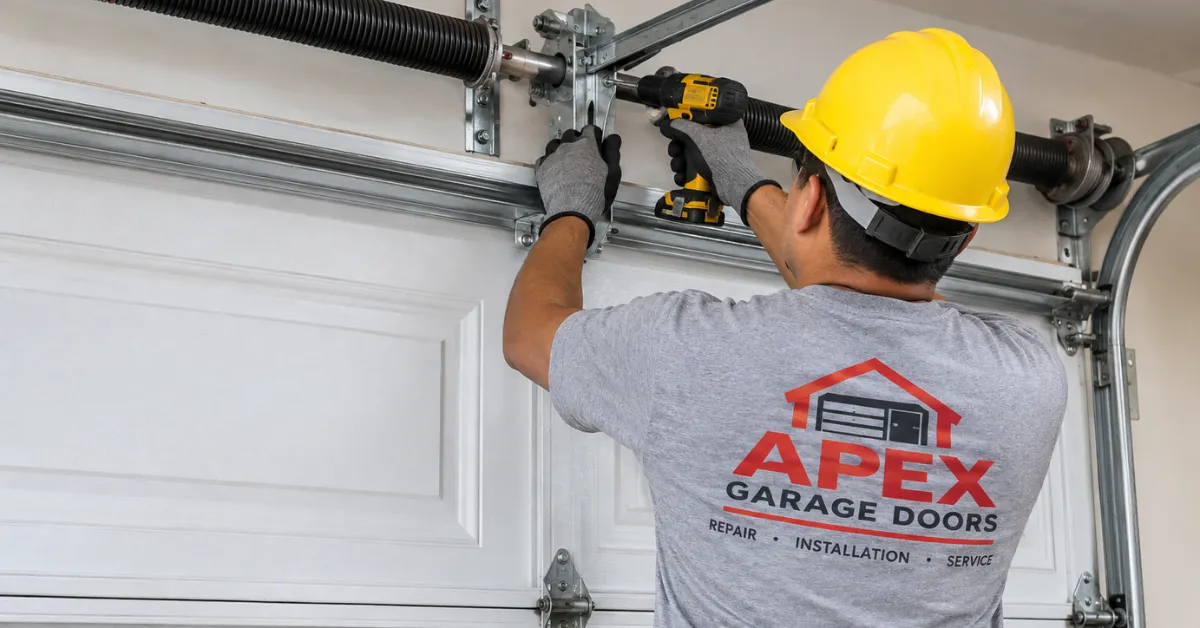
An overhead garage door that refuses to open completely can turn a simple morning routine into a frustrating problem. You may hear the motor running while the door rises only partway, or the door may stop at the same point every time. These symptoms can come from several different components, including the tracks, rollers, springs, opener settings, or door balance. Before calling for garage door repair solutions, it helps to understand what may be happening. Knowing the warning signs can also help you avoid forcing the door and making the situation worse. When the problem continues, professional overhead garage door repair can identify the cause and restore smooth, dependable operation.
Check the Door Balance First
Door balance plays an important role in how an overhead garage door moves. A properly balanced door should travel smoothly without placing excessive strain on the opener. If the door feels unusually heavy or stops before reaching the fully open position, balance may be part of the problem.
Test the Door Carefully
Disconnect the opener using the manual release handle and carefully lift the door by hand. A healthy system should move with steady resistance. If the door feels extremely heavy, drops quickly, or refuses to stay in position, avoid forcing it.
Springs support much of the door weight, so problems involving spring tension require caution. Trying to adjust or replace a spring without the right equipment and experience can create a serious safety risk.
Professional overhead garage door repair can include checking spring tension, cable condition, balance, and other weight supporting components. A proper inspection helps determine whether the door itself is creating too much resistance for the opener.
Inspect the Tracks and Rollers
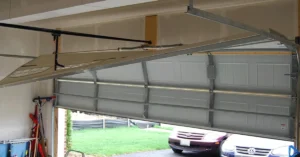
The tracks guide the door as it moves upward and downward. Even a small obstruction, buildup, bend, or alignment issue can affect how far the door travels. Rollers also need to move freely inside the tracks.
Look for Visible Problems
Start by checking both vertical and horizontal tracks. Look for dirt, loose hardware, dents, or anything blocking the rollers. Do not attempt to bend a damaged track back into position because that can change its alignment and affect the entire door system.
Listen while the door moves. Grinding, scraping, popping, or repeated clicking sounds can indicate friction or movement problems. Rollers that are worn or damaged may also cause the door to hesitate.
Keeping tracks clean and hardware secure can support smoother operation. However, if the door repeatedly stops at the same location, a professional inspection is often more useful than simply lubricating visible parts. Proper overhead garage door repair addresses the actual source rather than treating only the symptom.
Examine the Garage Door Opener
Sometimes the door itself is working correctly while the opener is limiting its movement. Modern openers use travel settings to determine how far the door should move. If those settings are incorrect, the door may stop before reaching the expected position.
Check the Opener Response
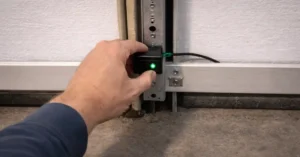
Observe whether the opener runs normally when the door stops. If the motor continues running but the door does not move, there may be an issue with the connection between the opener and the door. If the motor stops at exactly the same height each time, travel settings may also deserve attention.
Avoid changing multiple opener settings at random. Incorrect adjustments can affect closing limits and safety functions. A technician can check travel limits, drive components, mounting points, and other opener parts to determine what needs attention.
If the opener is older, unusual sounds, repeated stops, or inconsistent movement may indicate worn components. In such cases, overhead garage door repair may involve servicing the opener or determining whether replacement makes more practical sense.
Consider Spring and Cable Problems
Springs and cables work together to support controlled door movement. When one of these components develops a problem, the door may become difficult to lift or stop partway through its travel.
Know the Warning Signs
A visible gap in a torsion spring, a loose cable, or a cable that has come away from its drum can indicate a serious mechanical problem. You may also notice that one side of the door rises higher than the other.
Do not pull loose cables or attempt to adjust spring hardware yourself. These components can hold significant tension, and sudden movement can cause injury or additional property damage.
If the door suddenly becomes much heavier than usual, stop using it until the system can be checked. Prompt overhead garage door repair can help prevent a small mechanical issue from affecting additional components.
Watch for Door Panel and Hardware Issues
Physical damage can also prevent an overhead door from reaching its full open position. A bent panel, loose hinge, damaged roller, or shifted hardware may interfere with normal movement.
Check for Uneven Movement
Stand several feet away and watch the door as it opens. Notice whether one side moves faster than the other or whether a particular section catches at the same point. These details can help identify where the resistance begins.
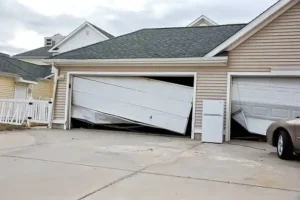
Do not force a door past a sticking point. Repeatedly pushing or pulling against resistance can place extra pressure on rollers, hinges, cables, and the opener. If the door has visible damage from a vehicle impact or another accident, professional assessment is especially important.
Small hardware issues can sometimes be corrected before they lead to larger problems. A timely overhead garage door repair service can evaluate the complete system and recommend the appropriate solution.
Prevent Future Opening Problems
Routine attention can help keep an overhead garage door operating smoothly. You do not need to become a garage door expert to notice early warning signs. Simple observations can make a meaningful difference.
Useful Maintenance Habits
• Keep the tracks free from dirt and debris.
• Watch for unusual sounds or changes in movement.
• Check whether the door opens evenly.
• Keep the opener area clear of stored items.
• Avoid forcing a door that becomes stuck.
• Arrange professional service when mechanical components show visible damage.
Regular maintenance also gives you an opportunity to notice gradual changes before they become an unexpected inconvenience. A door that starts moving more slowly, becomes noisy, or stops at a new position deserves attention rather than repeated use.
Frequently Asked Questions
Why does my overhead garage door stop before opening completely?
A door may stop because of track resistance, opener travel settings, worn rollers, balance problems, or damaged components. The exact cause requires checking how the complete system operates.
Can a heavy garage door cause the opener to stop?
Yes. Excessive weight or poor balance can place additional strain on the opener and may prevent normal operation. Spring and cable problems can contribute to unusual door weight.
Why does my garage door open unevenly?
Uneven movement can result from damaged rollers, track alignment problems, cable issues, spring concerns, or hardware that is no longer positioned correctly.
Should I force a garage door that stops halfway?
No. Forcing the door can place additional stress on the opener and mechanical components. Stop operating it and have the system evaluated if the problem continues.
When should I call a professional?
Call a professional when the door becomes unusually heavy, makes harsh noises, moves unevenly, has visible spring or cable damage, or repeatedly stops before reaching the fully open position.
Conclusion
A garage door that will not open all the way should not be ignored, especially when the problem happens repeatedly. Tracks, rollers, springs, cables, panels, balance, and opener settings can all affect normal movement. Paying attention to unusual sounds and changes in operation can help you recognize a developing problem before it becomes more disruptive. When inspection or service is needed, Apex Garage Doors LLC provides professional overhead garage door repair to help homeowners restore safe, smooth, and dependable door operation. Contact a qualified technician when the door stops unexpectedly, feels unusually heavy, or shows visible mechanical damage. Connect with our expert team today for dependable service and practical solutions for your garage door needs.